 by
by In Support Tracé, revue de l’ARSAG, Vol. 25, 2025, pp. 154-166 (in French).
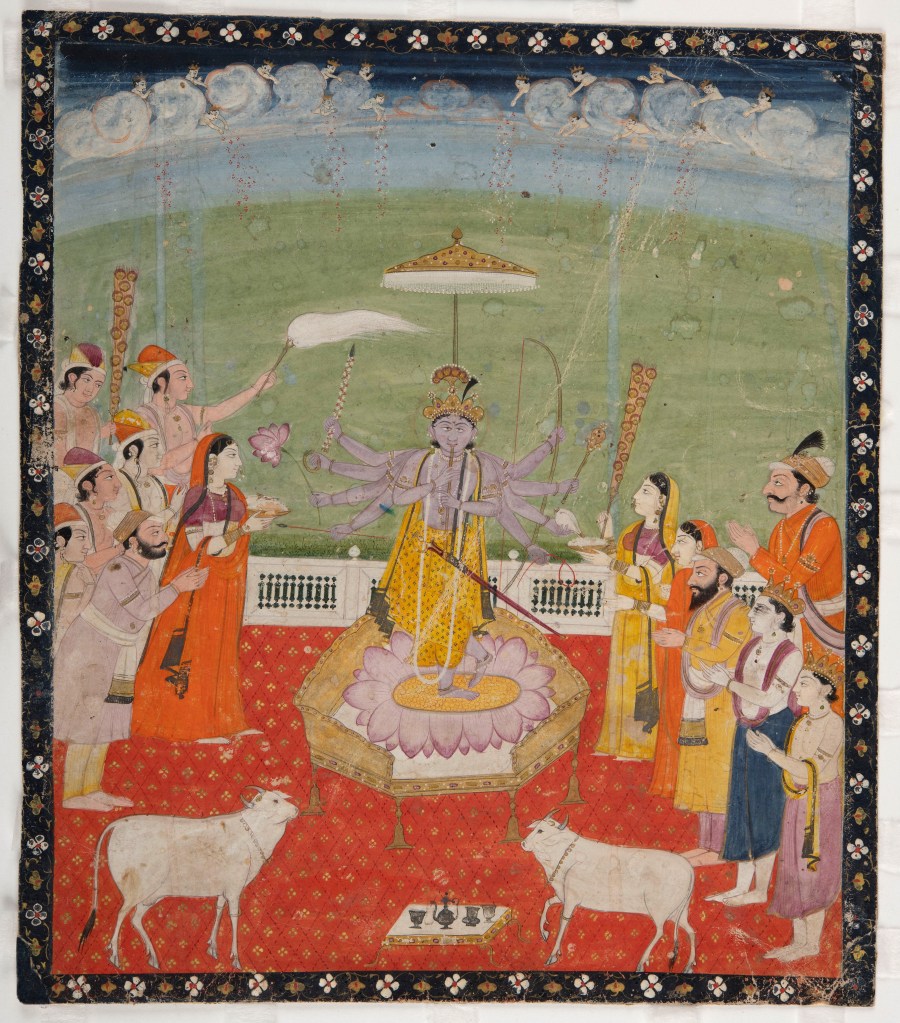
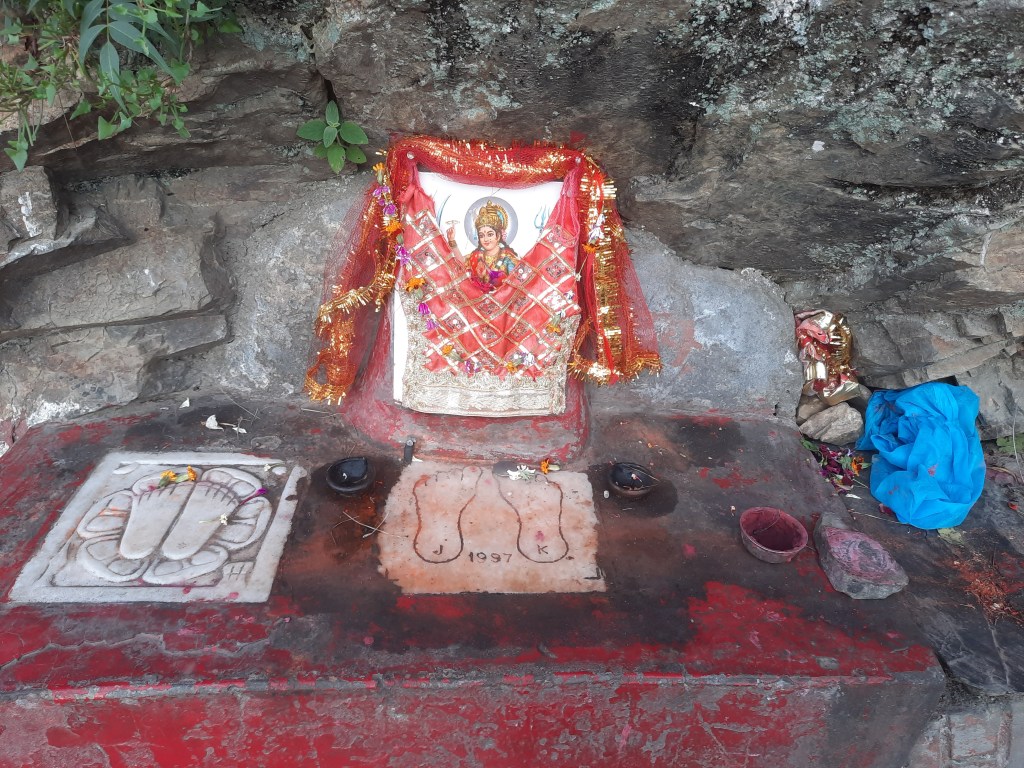
European cultural institutions frequently hold paintings on paper from South Asia, brought back by travellers, acquired by collectors, or purchased at public sales. While albums, manuscripts, and single paintings produced for the Muslim Mughal elite have been widely studied, works depicting Hindu myths and deities commissioned by local rulers (rajas) often remain enigmatic to conservators. These paintings were not conceived as aesthetic objects in the European sense but were regarded by devotees as divine embodiments used for prayer and meditation. This function relates to the Hindu concept of darshan, the reciprocal visual encounter between the devotee and the deity, through which divine blessing is received. Such images were used in private rituals (pūjā) or offered in public sacred spaces, and their sacred status directly affects their conservation and restoration, posing specific professional challenges.
The Wereldmuseum in Leiden holds a collection of Pahari works from the local courts of northwestern India, including seven paintings used in devotional rituals (puja). Their sacred function and the tangible traces of their use present specific conservation challenges, requiring a deep understanding of their cultural and religious significance for appropriate preservation in a museum setting.
Between 2020 and 2023, a research project funded by Metamorfoze NL analysed these images in terms of materials, techniques, and iconography to better understand their status and meaning. Through concrete examples, this article explores key Hindu concepts such as darshan, puja, desacralization, and the permanence of images, while advocating for a minimalist approach to conservation treatments.
The paper can be found here
 Amélie Conservation
Leave a comment